5 Ways Pastors Naturally Serve Harbor Network
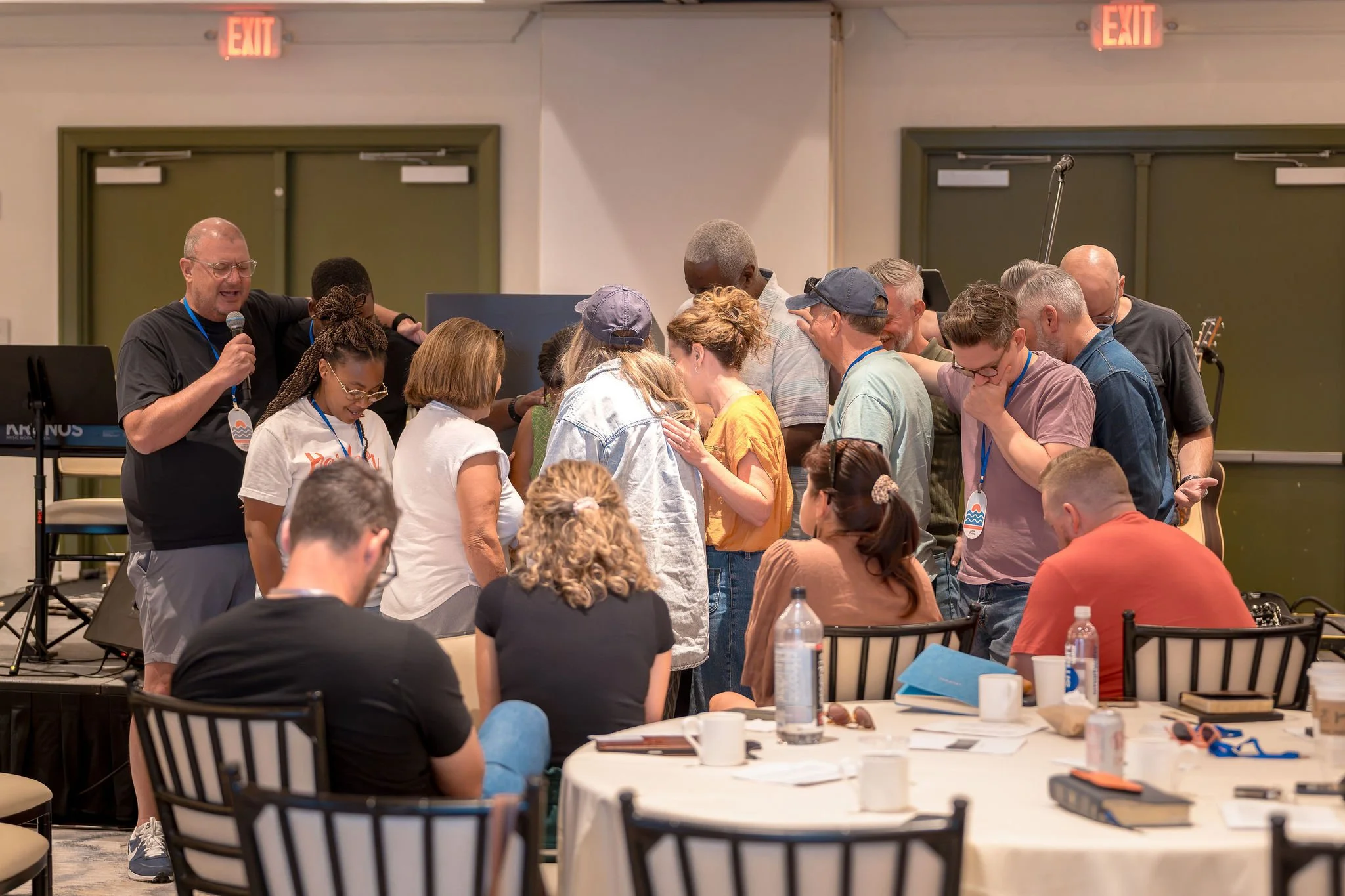
A relational invitation, not a role to fill
Harbor Network is built on friendship, trust, and shared faithfulness over time. Most pastors who serve the network don't do so because they were recruited, but because they were known, cared for, and found themselves saying, "I think I could help here."
There is no pressure, no timeline, and no expectation. These are simply the natural ways pastors tend to contribute as relationships deepen and trust grows.

1. Walking with other pastors
Some pastors serve Harbor simply by being a steady presence for others.
This might look like:
Opening your life to another pastor who needs a safe place to talk
Meeting regularly with someone in a similar season or context
Offering wisdom from your own scars and lessons learned
This is often unseen, informal, and deeply formative. It's also the heartbeat of Harbor—pastors who know what it's like and are willing to be known.
2. Helping assess and discern
Some pastors are especially gifted at listening well, asking good questions, and helping others discern calling and readiness.
This can include:
Serving on church planter assessment teams
Participating in church adoption conversations
Offering perspective shaped by your own planting or leading experience
This kind of service protects churches, leaders, and the mission over the long haul. It's about helping people take the right next step, not just any next step.
3. Sharing what you've learned
Over time, many pastors find themselves sharing hard-won wisdom with others—not because they have it all figured out, but because they've lived through enough to have something worth passing on.
This might take the form of:
Speaking into cohorts or training environments
Offering input around theology, leadership, or local church culture
Helping shape resources that serve the wider network
This is not about being an expert. It's about stewarding what God has already taught you through failure, faithfulness, and grace.
4. Hosting and welcoming
Some churches naturally become places of hospitality for the network—not because they're trying to add another program, but because hospitality is already woven into who they are.
This can include:
Hosting gatherings, cohorts, or retreats
Welcoming residents or visiting leaders
Creating space where relationships can deepen naturally
Often this flows out of a church's existing rhythms rather than something new. It's simply opening what you already have to others who need it.
5. Offering counsel and perspective
Some pastors serve Harbor by helping us think wisely—especially in seasons when the stakes are high and the path forward isn't clear.
This may involve:
Serving on advisory councils
Offering counsel during seasons of complexity or transition
Helping guard the culture, theology, and tone of the network
This kind of service is often quiet but profoundly shaping. It's the kind of influence that protects what matters most.
A word about timing
There is no rush. Many pastors don't step into any of these expressions of service right away. That's not only okay—it's healthy.
Service in Harbor grows out of relationship, trust, and shared life, not obligation or opportunity. These invitations aren't handed out at onboarding. They emerge naturally, over time, through conversations and relationship with other Harbor leaders who know you well.
Until then, your primary calling is simple and holy: love Jesus, shepherd your people faithfully, and live a life worthy of imitation.
That's enough. That's everything.
We're grateful to walk together.